Blog
 |
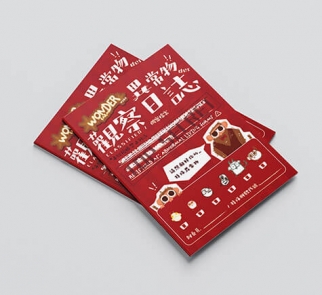
2026-10-19 For most schools in Taiwan, the first semester is when the graduation yearbook is planned and the production vendor is selected. Taipei's Bo-Ai Elementary School is a typical example: its yearbook services tender for the 2026–2027 school year was announced on October 2, 2026, with a budget of NT$291,550 and a contract period running until June 4, 2027. That leaves about eight months from award to delivery, and a poor vendor choice usually becomes visible only in the final weeks before graduation. |
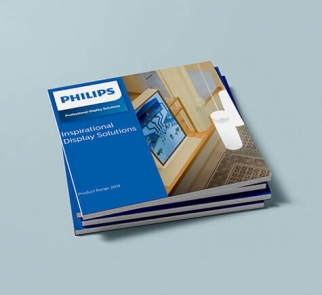 |
2026-09-09 Exhibitions are the most efficient customer acquisition event for B2B companies throughout the year. Booth rentals, exhibition design, airfare and accommodation, and manpower allocation have all been invested, but ultimately, what customers bring back to their offices and end up browsing on their desks is often just a catalog and a brochure. Printed materials are the lowest-priced component of the entire exhibition, yet have the longest-lasting impact. |
 |
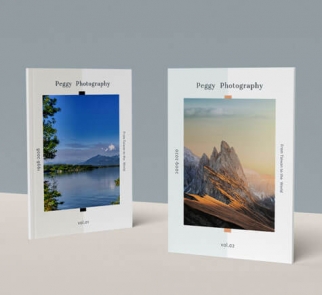
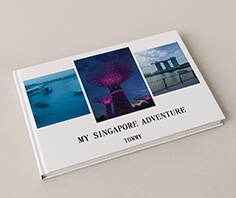
2026-08-16 A 32-page, 20 × 26 cm (approximately 7.9 × 10.2 in.) hardcover picture book can receive quotes from three printers that differ by 50%—or even more. That does not necessarily mean one printer is overcharging. The bigger issue is that the word “hardcover” covers a wide range of production specifications. Binding construction, paper characteristics, finishing details, proofing requirements, and print quantity can all have a significant impact on the final price. |
 |
2026-07-11 Doujinshi printing quotes are not simply pulled from a price chart. They are built from two major cost layers: fixed production costs and variable production costs. This is why printing 80 copies and 100 copies of the same book may not create a huge difference in total price, but the unit price can change noticeably. The more copies you print, the more your fixed setup costs are spread across the total quantity. |
 |
2025-08-19 For small and medium-sized enterprises pursuing growth and efficiency, every printing dollar and every second counts. Printing services play an indispensable role in brand marketing and product promotion, from a beautifully printed catalog, an eye-catching brochure, to professional product packaging... |
 |
2025-06-30 |
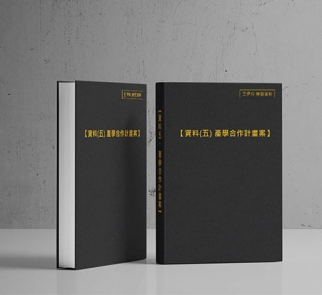 |
2025-06-20 A complete analysis of book printing types and customized printing content. |
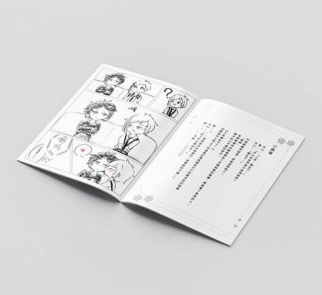 |
2026-06-16 For many first-time creators, the hardest part of publishing a doujinshi, fan book, zine, comic anthology, or illustration book is not choosing the “perfect paper.” The real challenge usually comes down to three decisions you need to make first: How many copies should I print? These three choices directly affect your unit cost, finished quality, production schedule, and whether your books will be ready before an Artist Alley, comic convention, anime convention, or pre-order shipping deadline. |
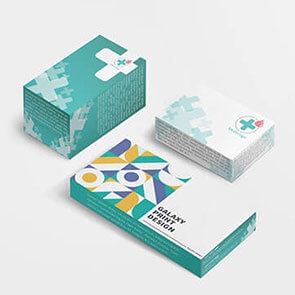 |
2025-05-21 In highly competitive market, capturing consumers' attention at first glance is crucial. Not only does your product need to be appealing |
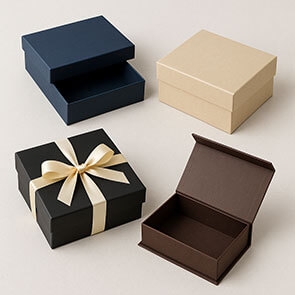 |
2025-05-21 Do you often feel like all packaging boxes look the same? In reality, choosing the right type of paper box can not only elevate the perceived quality of your product ... |
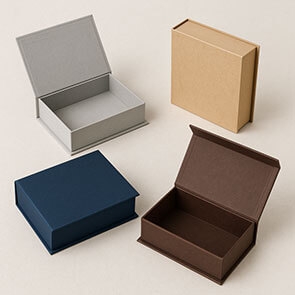 |
2025-05-21 Did you know? Rigid boxes and book-style boxes may look somewhat similar, but they differ greatly in style and purpose! |
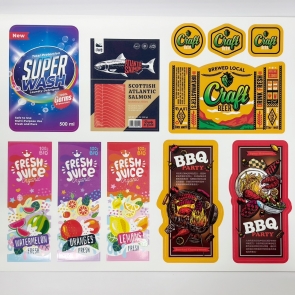 |
2025-05-05 在製造與商品銷售快速變動的今天,「標籤貼紙」看似微小,實則是銷售、倉儲、物流、法規與品牌管理的關鍵一環。 |